What drives demand for grains and cereals
Demand for grains and cereals does not behave like a single market. It is shaped by three broad channels — animal feed, food, and industrial use — and each channel responds to different pressures at a different pace.
The structure of demand
Grain is rarely eaten by people in the form it leaves the field. Most of it passes through feed mills, flour mills, or industrial processors before it reaches a shelf, a tank, or a dinner plate.
When cereal prices rise, the explanation is often looked for on the supply side: a poor harvest, a blocked port, a dry spring. But demand moves prices just as firmly, and it moves more slowly and more predictably. A growing livestock herd takes years to build; a change in food habits takes a generation; an industrial mandate can appear in a single season of legislation.
Understanding these channels helps separate short-lived price spikes from longer shifts. Feed demand tracks the economics of meat and dairy production. Food demand tracks population, incomes, and preferences. Industrial demand — above all biofuel — tracks policy and energy markets as much as agriculture. For a view of the other side of the balance, see the supply side of the cereal market.
Three channels of use
Every tonne of grain enters one of a small number of end uses. Each use pulls on the market in its own way.
-
01
Animal feed
The largest single use of cereals worldwide. Poultry, pigs, dairy and beef herds consume maize, wheat and barley in compound feeds. Feed demand follows the profitability of livestock farming: when meat and milk prices are strong, herds expand and feed offtake grows; when margins tighten, feed is rationed and demand cools. Because herds cannot be rebuilt overnight, this channel tends to change gradually rather than in sudden jumps.
-
02
Food for people
Wheat into flour and bread, rice onto the plate, oats into breakfast foods. Food demand is the most stable part of the balance: populations change slowly, and staple consumption adjusts only modestly when prices move. Still, it sets the floor under the market — mills and bakers keep buying through price spikes, because the alternative is empty shelves. Income growth in importing countries shifts diets toward more meat and processed food, which quietly raises feed demand as well.
-
03
Industrial use and biofuel
Maize fermented into ethanol, rapeseed and grain used for biodiesel, starch processed into paper, glue and packaging. Industrial demand is the most policy-driven channel: blending mandates, energy taxes and fuel prices decide how much grain is diverted from food and feed. Because mandates are often fixed by law, this demand can stay firm even when grain becomes expensive — one reason high prices sometimes persist longer than expected. The cost chain behind these flows is covered in storage, shipping and processing costs.
From raw grain to shelf
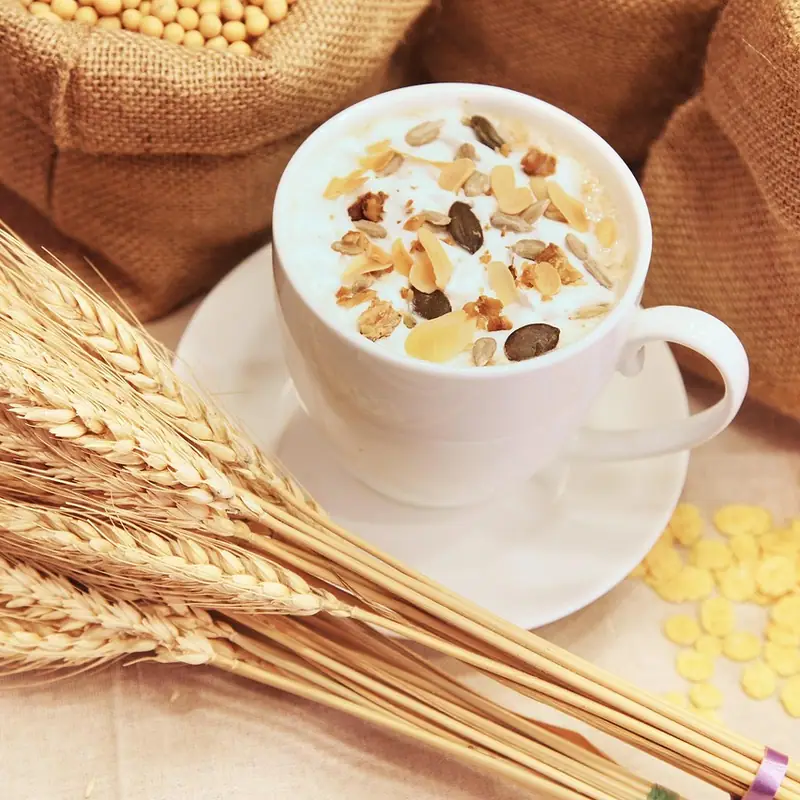
A single cereal kernel can end up as bread, feed pellets or fuel — the processing step decides, and each path carries its own demand logic.
Common questions about demand
Short answers to questions readers ask most often about how demand shapes cereal prices.
Which use of grain is the largest?
Animal feed is generally the largest outlet for cereals, ahead of direct human food and industrial processing. The exact ranking differs by crop and by country, but the order — feed, food, industry — holds for most major grains.
Why does food demand stay stable when prices rise?
Staples such as bread, pasta and rice are a small share of household budgets in many countries, and they have few direct substitutes. People trim other spending before they give up staple foods, so millers and bakers keep purchasing even at high prices.
How do biofuels affect cereal prices?
Biofuel production diverts grain away from food and feed markets. When blending mandates are fixed by law, that demand does not shrink when grain gets expensive, which can tighten the overall balance and support higher price levels.
Does population growth alone raise demand?
Population is the slowest-moving driver: it sets the long-term trend but rarely explains a price spike. Sudden moves usually come from the interaction of demand with a supply shock or a policy change, not from demographics.
Where can I ask about a term I did not understand?
Market vocabulary is collected in the glossary on the overview page, and questions are welcome through the contact form — see write to the Cereal Market Notes desk.