Storage, shipping and processing costs
Between harvest and shelf, grains and cereals pass through silos, ships, mills and factories. Every step in that chain adds cost, and those costs are reflected in retail prices.
Once grain leaves the field, it enters a supply chain with its own economics. The price a shopper pays reflects not only what happened in the field, which is covered in our notes on the supply side, but also drying, storage, inspection, freight, milling and packaging.
Storage decisions follow the harvest calendar. Grain that is held for months requires dry, ventilated and monitored conditions, and storage operators charge for that service. When stocks sit longer than usual, carrying costs accumulate and feed into later prices.
Shipping links producing regions to mills and ports. Ocean freight, inland waterways, rail and road transport each have separate tariffs, and a bottleneck at any one of them can reroute cargo through a more expensive channel.
This page walks through the main logistics stages and closes with a short market glossary. If a term here raises a question, you can always write to our editorial desk.
How the chain adds cost
-
01
Storage
Grain is dried to a safe moisture level and stored in silos or warehouses with temperature and humidity monitoring. Storage fees, aeration, pest control and insurance all accrue for as long as the grain is held, so longer storage periods translate into higher carrying costs.
-
02
Transport
Moving grain from country elevators to ports and processors involves trucks, rail, barges and bulk carriers. Freight rates respond to fuel prices, vessel availability and port congestion, and surcharges for loading, inspection and documentation are added along the route.
-
03
Processing
Mills and processing plants turn raw grain into flour, flakes, meal and packaged cereal products. Cleaning, dehusking, milling, fortification and packaging each consume energy and labour, and plant maintenance schedules influence how much of these costs reach the finished product.
Inside the chain
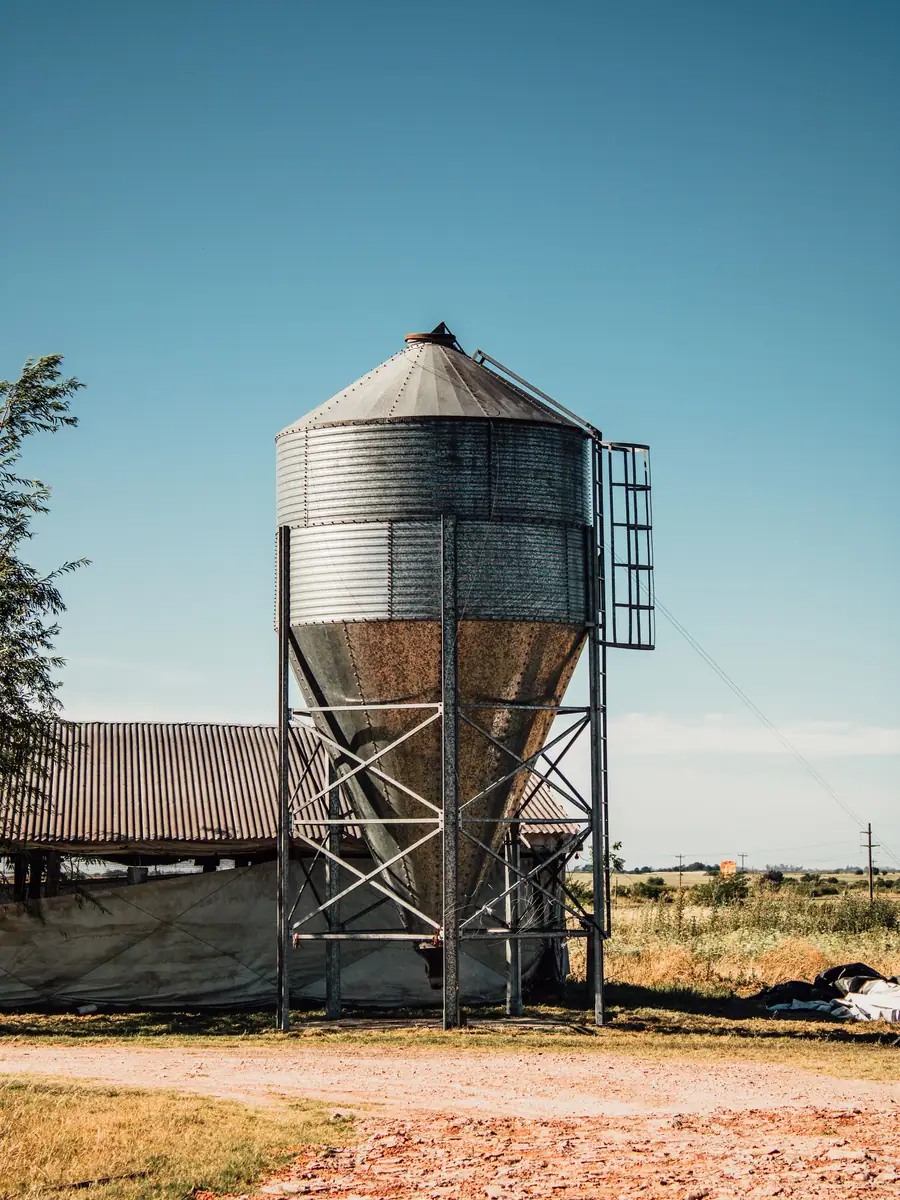
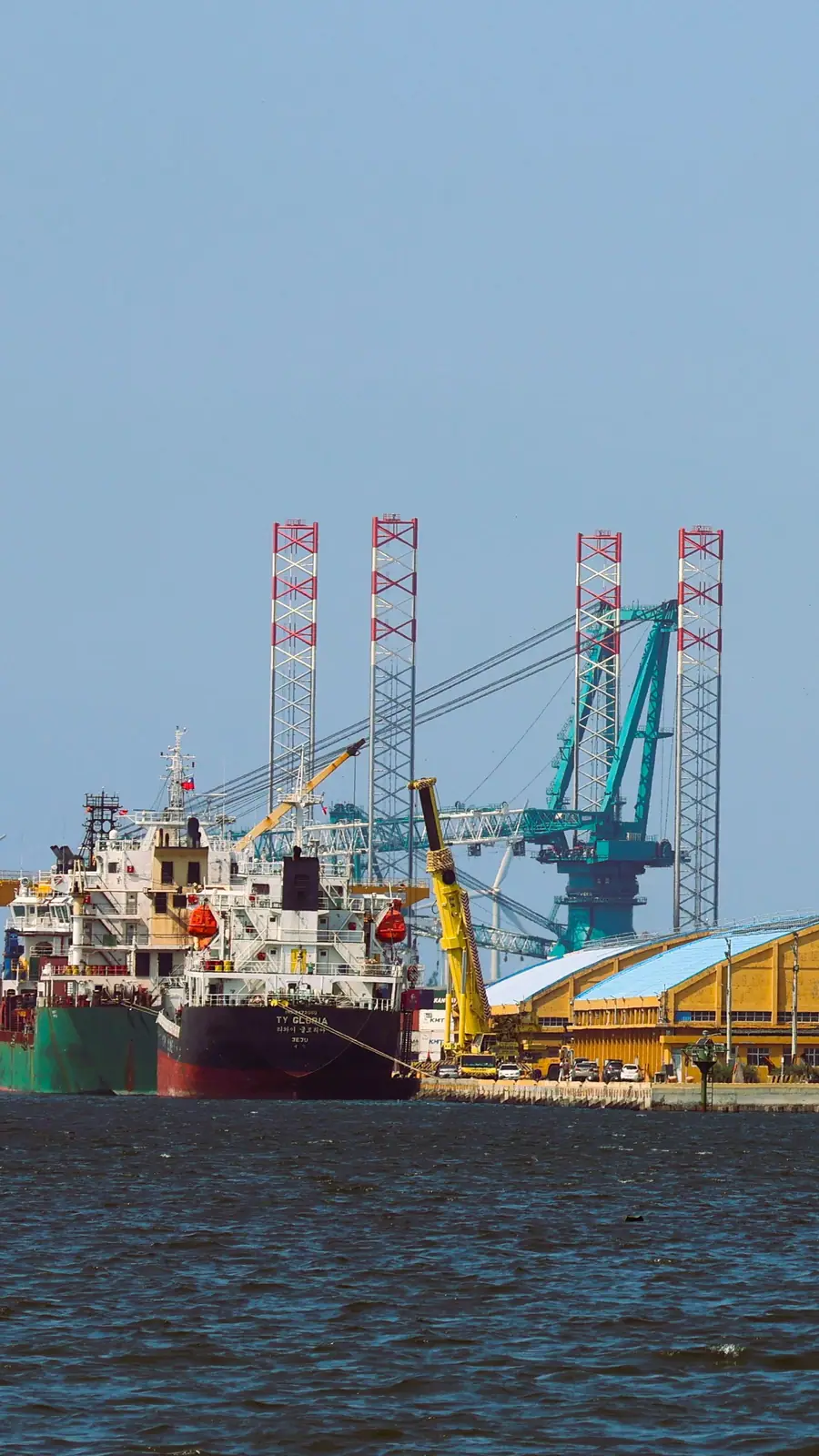
Storage towers and port terminals are the visible landmarks of grain logistics.
Market glossary
Short definitions of terms that appear in market reports and price commentary.
- Carrying cost
- The combined cost of holding grain in storage, including fees, aeration, insurance and the capital tied up in the stock.
- Elevator
- A facility that receives, dries, stores and loads grain, linking farms to wider transport networks.
- Bulk carrier
- A cargo ship designed to transport unpackaged commodities such as grain in large holds.
- Freight surcharge
- An additional transport fee covering fuel, port or route costs that sit outside the base tariff.
- Milling yield
- The share of milled product obtained from a given quantity of raw grain, which affects how processing costs spread across output.
- Basis
- The difference between a local cash price and a reference futures price, reflecting local supply, demand and transport conditions.
Common questions about logistics costs
Why does storage affect the price of cereals?
Stored grain accumulates fees, energy costs and insurance for every month it is held. When more of the harvest is stored for longer, these carrying costs are gradually included in the prices quoted later in the season.
What makes freight rates change?
Freight rates respond to fuel prices, the number of available vessels and wagons, port waiting times and route distances. A congested port or a longer route pushes transport costs up, and shippers pass those costs along the chain.
Where does processing fit into the price?
Processing covers cleaning, milling, refining and packaging. Energy, labour and equipment maintenance at each stage add to the gap between the raw grain price and the shelf price of a finished cereal product.
Do logistics costs move together with grain prices?
Not always. A season with a strong harvest can lower raw grain prices while congestion raises freight rates, so the final product price may fall far less than the raw material price. The two sides of the chain move on separate drivers.