The supply side of the cereal market
How much grain reaches the market depends on harvests, storage decisions and the weather. This page explains the mechanics in plain language.
What supply actually means
Supply is the amount of grain and cereals available to buyers at a given moment. It is not just what grows in the field: grain that is harvested, stored and gradually released onto the market all counts, and so do the stocks left over from previous seasons. When any part of this chain tightens, prices tend to react — usually before consumers notice anything on the shelf.
Unlike manufactured goods, cereals cannot be produced on demand. A crop is sown, grown and gathered within a single cycle, and everything the market consumes until the next harvest has to come out of that cycle. That is why market watchers follow planting reports, harvest progress and stock estimates so closely, and why the subject deserves a calm, structured explanation rather than headlines.
If you are new to these terms, the overview of cereal price drivers on our front page is a good place to start before reading further.
Four forces behind supply
Each of these factors works on its own rhythm, and together they decide how much grain the market sees in a given season.
-
The harvest itself
Yields are set months before the combines roll out. Soil condition at sowing, rainfall through the growing season and temperature spikes during grain fill all leave their mark. Two neighbouring regions can report very different harvests in the same year, which is why national and global figures are read together rather than in isolation.
-
Stocks held in storage
Not all grain is sold straight from the field. Producers, traders and processors hold stocks and release them over months. High stocks cushion any shock; low stocks leave the market with nothing to absorb a poor harvest, and prices become more sensitive to every weather report.
-
Carry-over from last season
Carry-over is the grain left unsold when a season ends. It forms the starting stock of the next season. A thin carry-over means the new market year begins from a weak position, so even an average harvest can feel tight, while a generous carry-over gives buyers breathing room.
-
Weather and growing conditions
Drought, excess rain, frost and heatwaves during key growth stages can cut yields long before harvest confirms it. Because markets price expectations, not only results, weather forecasts themselves move prices during the growing months — a point worth remembering when a dry week makes the news.
From field to store
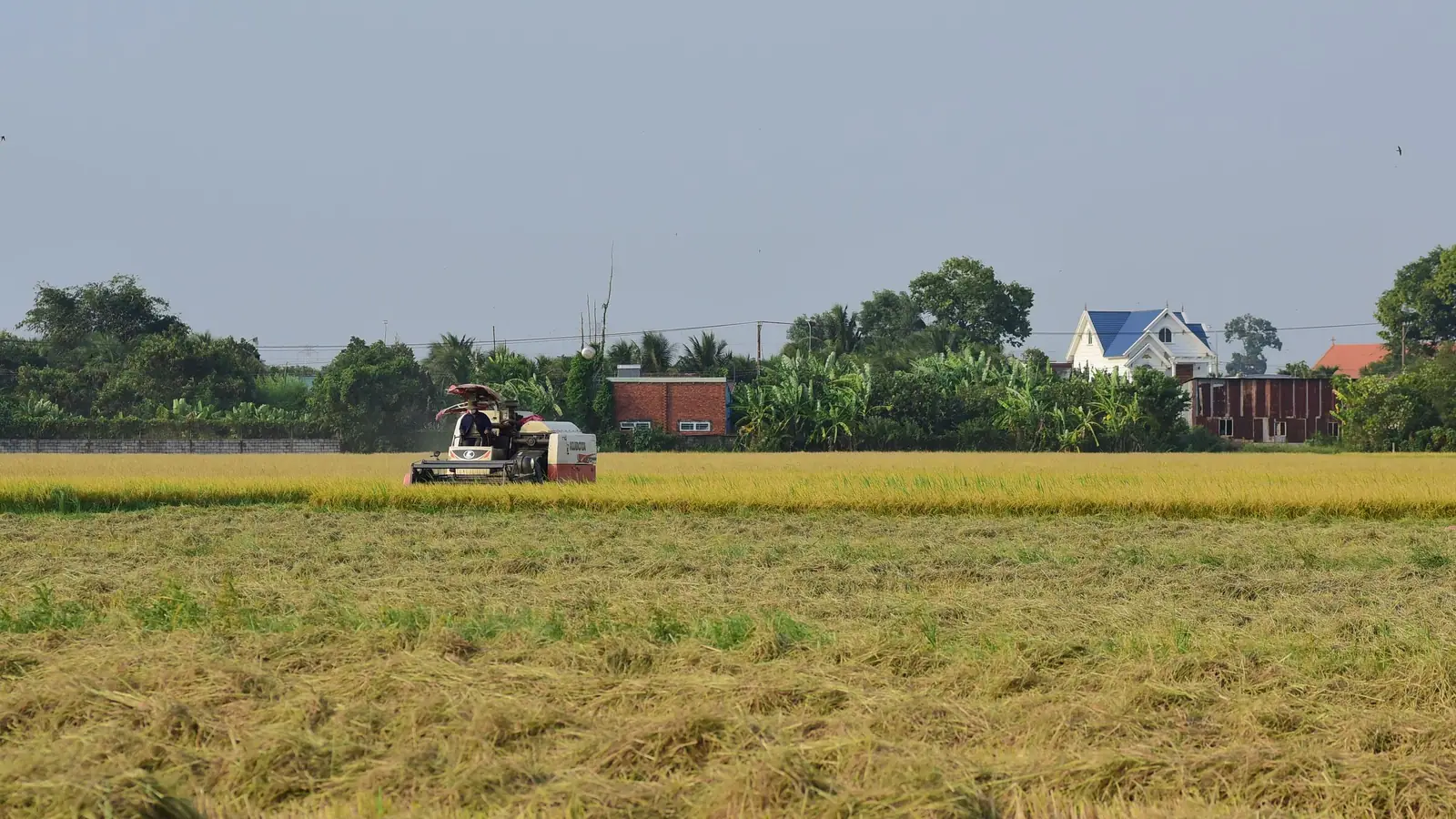
Supply changes shape twice: once in the field, once in storage. Both stages are shown below.

Common questions about supply
Short, general answers to the questions readers ask most often about how grain supply works.
Why does a good harvest not always mean cheaper bread?
Wheat is only one cost in a loaf. Milling, energy, packaging, transport and retail margins all sit between the field and the shelf, and they can move in the opposite direction to the grain price. A large harvest lowers the raw-material share of the price, but the other shares can still push the final figure up.
What are carry-over stocks in simple terms?
Carry-over stocks are the grain left over when a marketing year ends — the store cupboard the next season starts from. When the cupboard is nearly empty, even a normal harvest has to satisfy both current demand and the wish to refill it, which keeps upward pressure on prices.
Why do weather forecasts move prices before any damage happens?
Grain buyers plan purchases ahead, so they price what they expect, not only what has happened. A forecast of drought during a sensitive growth stage raises the risk of smaller supplies, and that expectation alone is enough to lift prices until the actual harvest numbers arrive.
Where can I read about the cost side of storage and shipping?
Storage, freight and processing costs are covered in detail on the storage and shipping page. If a term on either page is unclear, you are welcome to send the desk a question.