Why are prices for grains and cereals rising?
Cereal prices move for reasons that span fields, ports and mills. These notes follow each link in the chain in plain, neutral language.
Send a question to the desk
The question and our answer
The confusion around prices
Headlines blame weather, freight or currency one week and something else the next. Readers who want a calm explanation rarely find one place that connects all the moving parts.
Isolated numbers without context make the picture harder, not easier. What is missing is a single, orderly view of how supply, demand and costs interact.
How these notes help
We organise the subject into four topic areas: supply, demand, logistics and processing. Each guide takes one area and explains its price effects step by step.
A plain-language supply-side overview shows where grain comes from and what limits the volume, while the demand guide explains who buys and when.
Everything is written in a neutral editorial tone, without forecasts or trading advice — only the working of the market as it is understood today.
How the guides are prepared
Every material passes through the same four stages before it appears on the site.
-
01
Choosing the topic
We pick one price driver — a harvest factor, a shipping route, a milling cost — and set the boundaries of the explainer so it stays readable.
-
02
Gathering the material
Definitions, cost components and typical market mechanisms are collected and sorted into the four topic areas the site is built on.
-
03
Checking the wording
Each paragraph is reviewed for neutrality: no forecasts, no personal opinions, no figures the sources cannot support.
-
04
Publishing the guide
The finished material goes online with a clear structure, so readers can start with the basics and move on to related areas such as storage and shipping costs.
Frames from the field
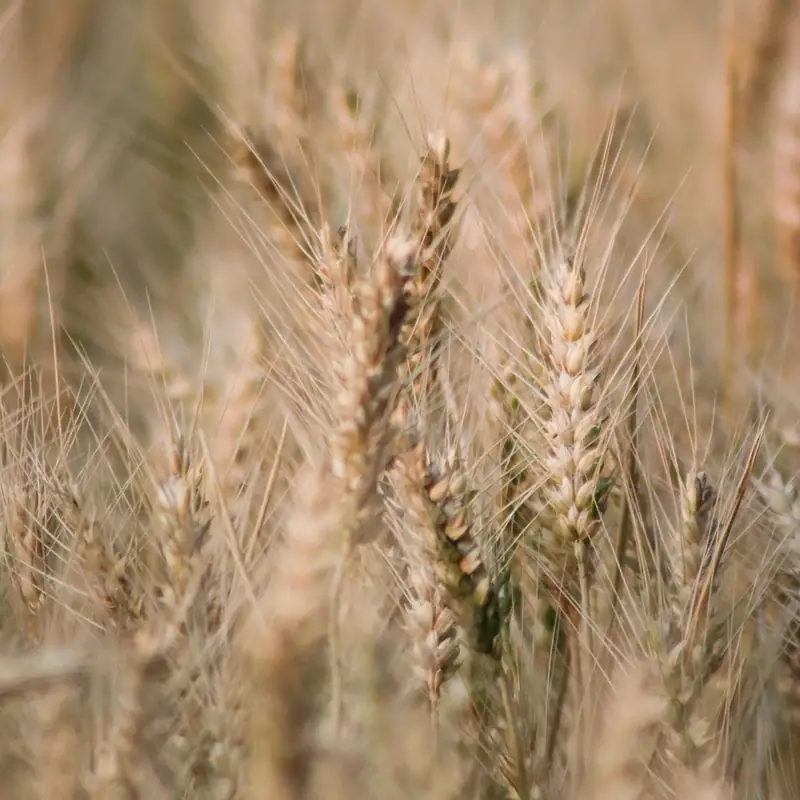
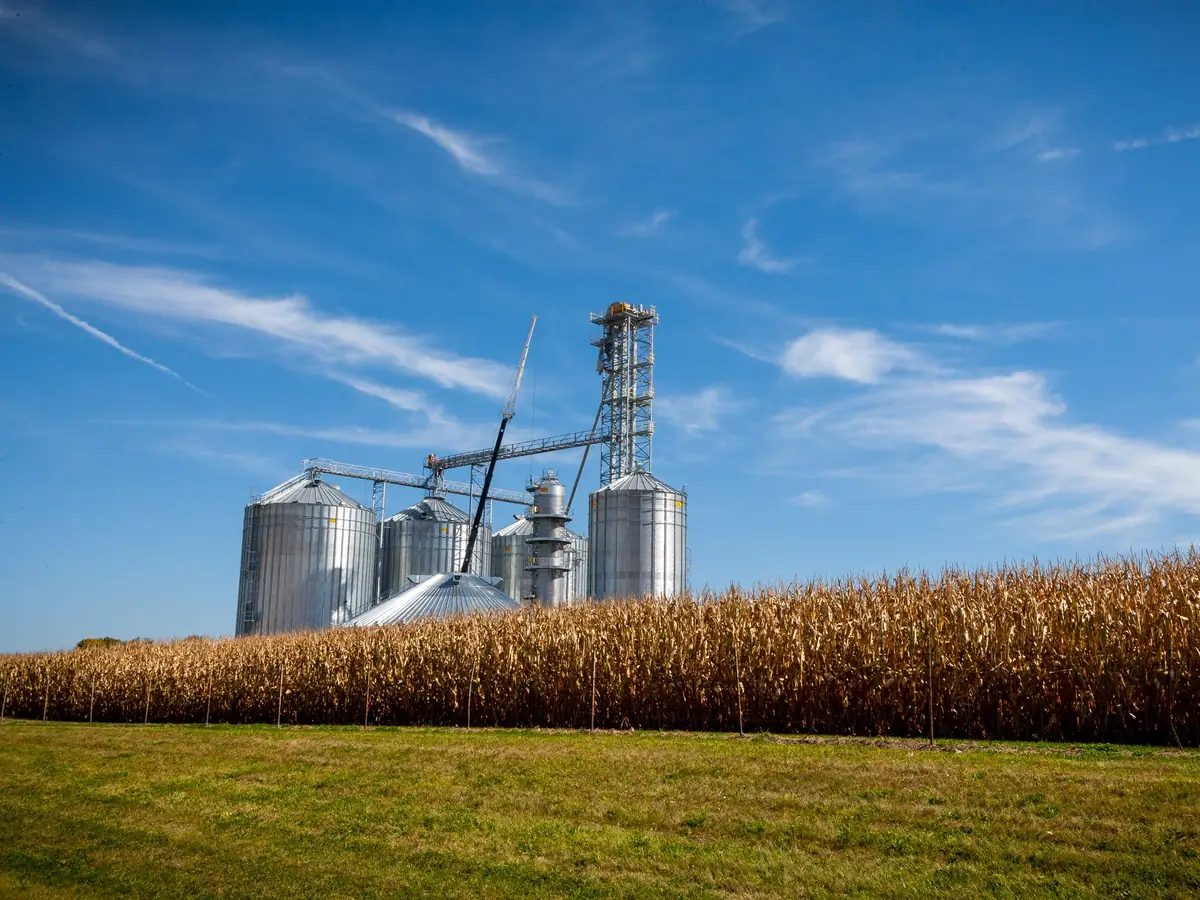
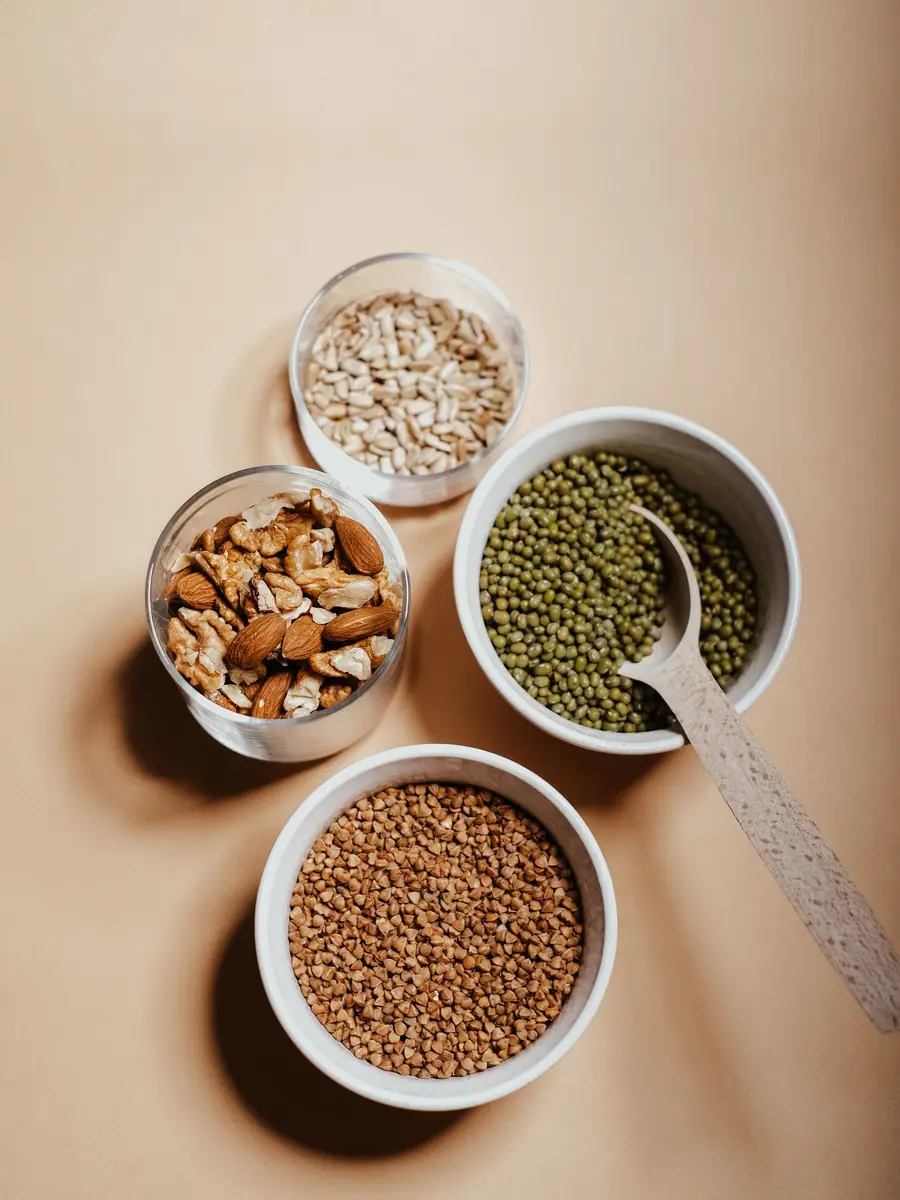
A few images that show where the story of cereal prices begins: the growing crop, the storage site and the raw grain itself.
Frequent questions
Short answers to the questions readers ask most about cereal prices.
Why do cereal prices change at all?
Prices reflect the balance between the grain available and the grain wanted at a given moment. When either side shifts — a smaller harvest or stronger buying — the price moves until the market finds a new balance.
Is weather the main driver?
Weather is one of several drivers. It shapes the harvest size, but storage conditions, freight rates, energy costs and processing margins all influence the final price paid in the shop.
Do transport costs really reach the shelf price?
Yes, shipping and handling are part of every leg from farm to mill to store. When freight or port charges rise, part of that increase passes into the price of the finished product.
Where can I read the fuller explanations?
The four topic guides — supply, demand, logistics and processing — carry the detail. You can also start with the demand guide or write to the desk with a specific question.
Guarantees and responsibility
Neutral editorial stance
Materials describe market mechanisms as they are commonly understood. We do not take positions on prices, trade disputes or policy decisions, and we publish no forecasts.
Clear sourcing of ideas
Where a statement rests on general market knowledge rather than a specific figure, the text says so plainly. Numbers appear only when they come from confirmed conditions provided by the publisher.
Corrections welcome
Readers who spot an unclear or incorrect formulation can reach the desk through the contact page. Wording that does not meet our neutrality standard is revised rather than defended.
Send a question to the desk
Ask about a term from the glossary, a price driver you find unclear, or suggest a topic for a future guide. We read every message and answer in plain language.